A Conversation With a Wild Food Advocate
After moving to Laurel, Mississippi in 2017, it didn’t take long to realize this small town had its own kind of magic and its own local celebrities. Artists, tv stars, makers—people who live a little differently and leave a strong impression. One of those people stood out to me almost immediately.
I first noticed Joseph Hosey behind a stand at the farmer’s market, selling wild mushrooms he had foraged himself. There was something quietly compelling about him—his knowledge, lifestyle, the way he spoke about food and the land with both reverence and practicality. He spoke the language of my ancestors. Anyone who knows him or who follows him on social media is invited into a world of intentional living and fostering a deeper relationship with nature.
TELL US ABOUT YOURSELF, JOSEPH.
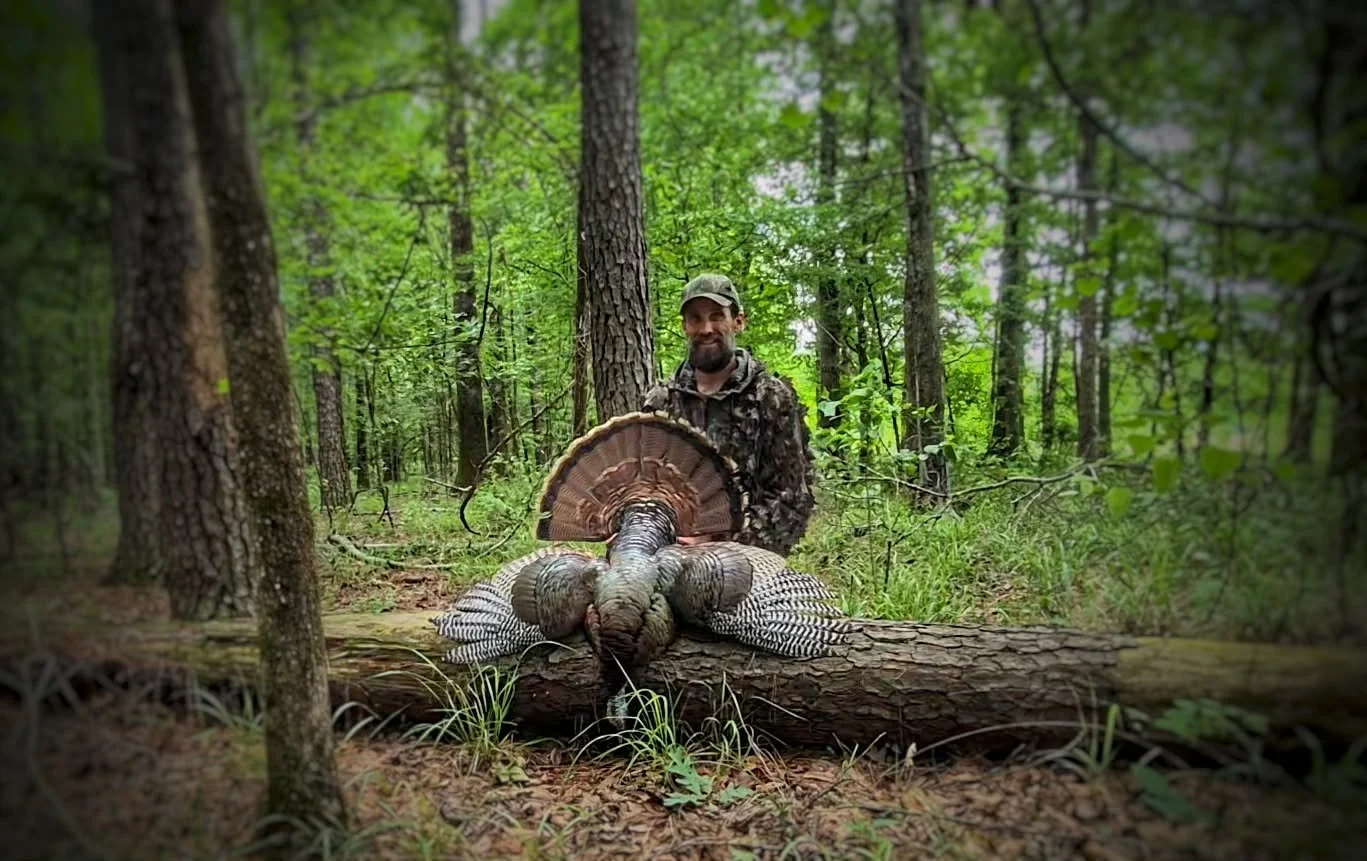
Joseph Hosey: In a nutshell, I’m a forester and wild food advocate. I’m passionate about hunting, fishing, trapping, and gathering wild plants and mushrooms. I’m an 8th generation Free Stater, my three children are 9th and two grandchildren are 10th . I’m crazy in love with my wife and obsessed with hunting turkeys in the spring .
WHAT DOES IT MEAN TO BE A WILD FOOD ADVOCATE?
Joseph Hosey: It just seems to me, and a lot of other folks, too, that it makes sense to be made of place. To be made of where you are, as much as possible. It’s our biological norm to eat wild foods. Over 90% of the human experience has been fueled by wild foods and all the complex systems within us was designed for a wild diet. When it comes to nutrient density, wild foods are beyond anything we call organic. What those foods do in the body is one thing but the connection with the land that’s made when foraging or hunting is another aspect of life I think a lot of us are missing. It’s about relationship. Our relationship with our food and where it comes from had always been a major part of being human and that’s been lost for a lot of us. That’s why I advocate for wild food.
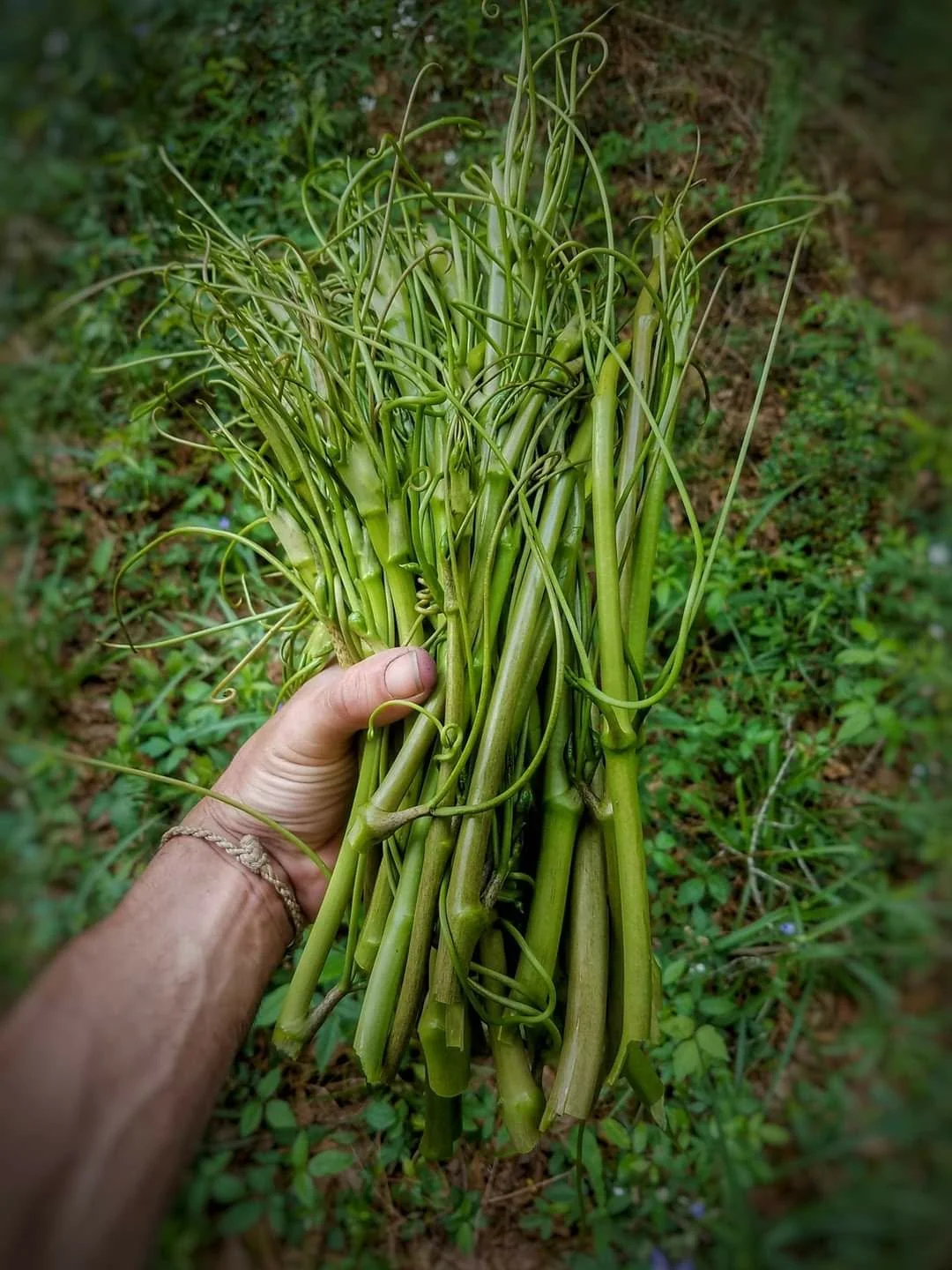
In the photo: Smilax — when Joseph sells it at farmer’s markets, he bundles it like asparagus and puts up a sign that says “treat me like asparagus.”
HOW DID YOU GET STARTED WITH WILD FOOD?
Joseph Hosey: There’s a few things that come to mind as to what got me started. Interestingly, I’m taken to memories of not only specific species but specific places. The wild foods that come to mind when asked what got me started are “geo-tagged” for a lack of a better word. That’s part of what comes along with a wild diet. You develop an ability to recall and navigate to specific spots on the land. To answer the question, I could point to the “weeds” I was battling in my garden some fifteen years ago. I learned they were more nutritious, less picky about growing conditions, wasn’t planted, watered, protected, or nurtured. All that was needed to make it food was knowledge and understanding. I’m also reminded of chanterelle mushrooms. That was the first species I started collecting in large quantities and the first wild mushroom I learned. That species was a pivot point for me, for sure, but I could also say it was the wild blackberries, dewberries, and plums my brothers and I collected when we were kids that got me started with wild foods. The rabbits, squirrels, and deer I remember on the family table could be considered a start. The many fishing trips for bass, blue gills, or catfish as a kid could be another. Truth is I think most of us have already had a “start” with wild food.
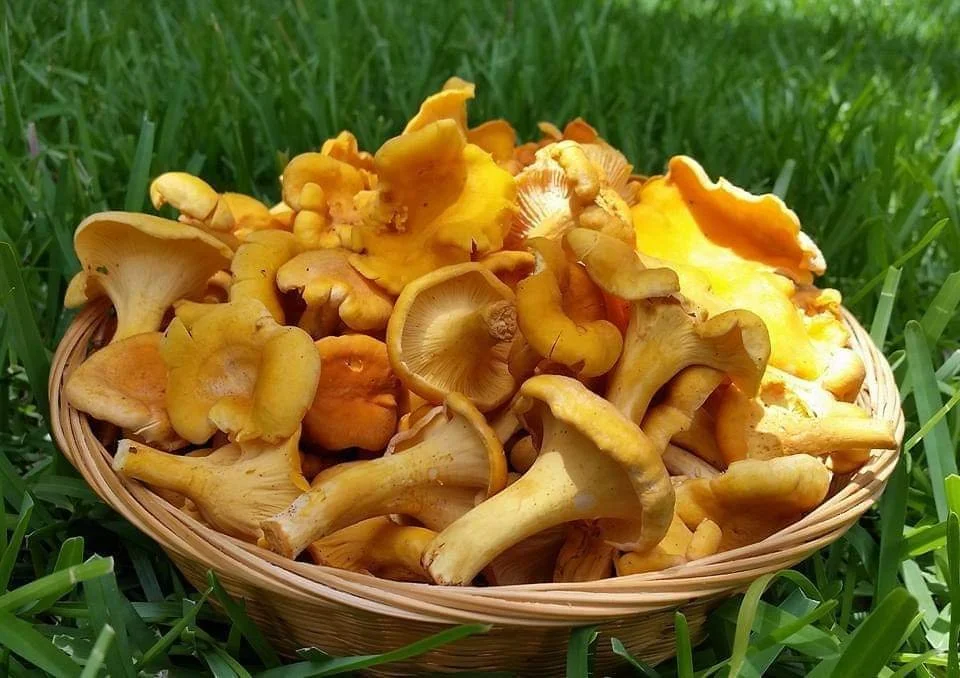
Chanterelles
APART FROM FOOD, WHAT OTHER NATURAL HEALTH PRACTICES DO YOU INCORPORATE INTO YOUR LIFESTYLE?
Joseph Hosey: I’ve seen some articles and studies about how simply being in a forest has positive health implications. Forest bathing, I think I’ve seen it called. There’s numerous studies on how important movement is. Just taking a walk can make a big difference for a lot of us, in many ways. Taking the time to go into wild places for the air quality, how important sunshine on the skin is, how beneficial exposure to soil bacteria can be, cold exposure, increasing your heart rate for short periods of time, how useful sweating is for detox. The list goes on and on and everything I just mentioned comes along with pursuing wild foods. It’s easy to get trapped in a sedentary lifestyle and I’m just as vulnerable to it as anyone else. These screens can become a prison quickly and a lot of professions require us to stay put for the majority of our day. We’ve definitely created a really unnatural environment to live in. I do supplement some. I take a magnesium blend usually at night and occasionally a vitamin B complex mid day. I guess you could consider salt a supplement these days. I put a small pinch under my tongue before drinking water.
DO YOU HAVE A FAVORITE RECIPE?
Joseph Hosey: I love wild turkey nuggets! Battered and fried probably isn’t the healthiest way to eat a wild bird but you can use wiser ingredients to make a fried nugget a little better. Using beef tallow instead of vegetable oils would be most important and then choosing better quality spices and flour for the batter. I like mine cut up small and then I soak them for fifteen minutes or so in pickle juice before battering.
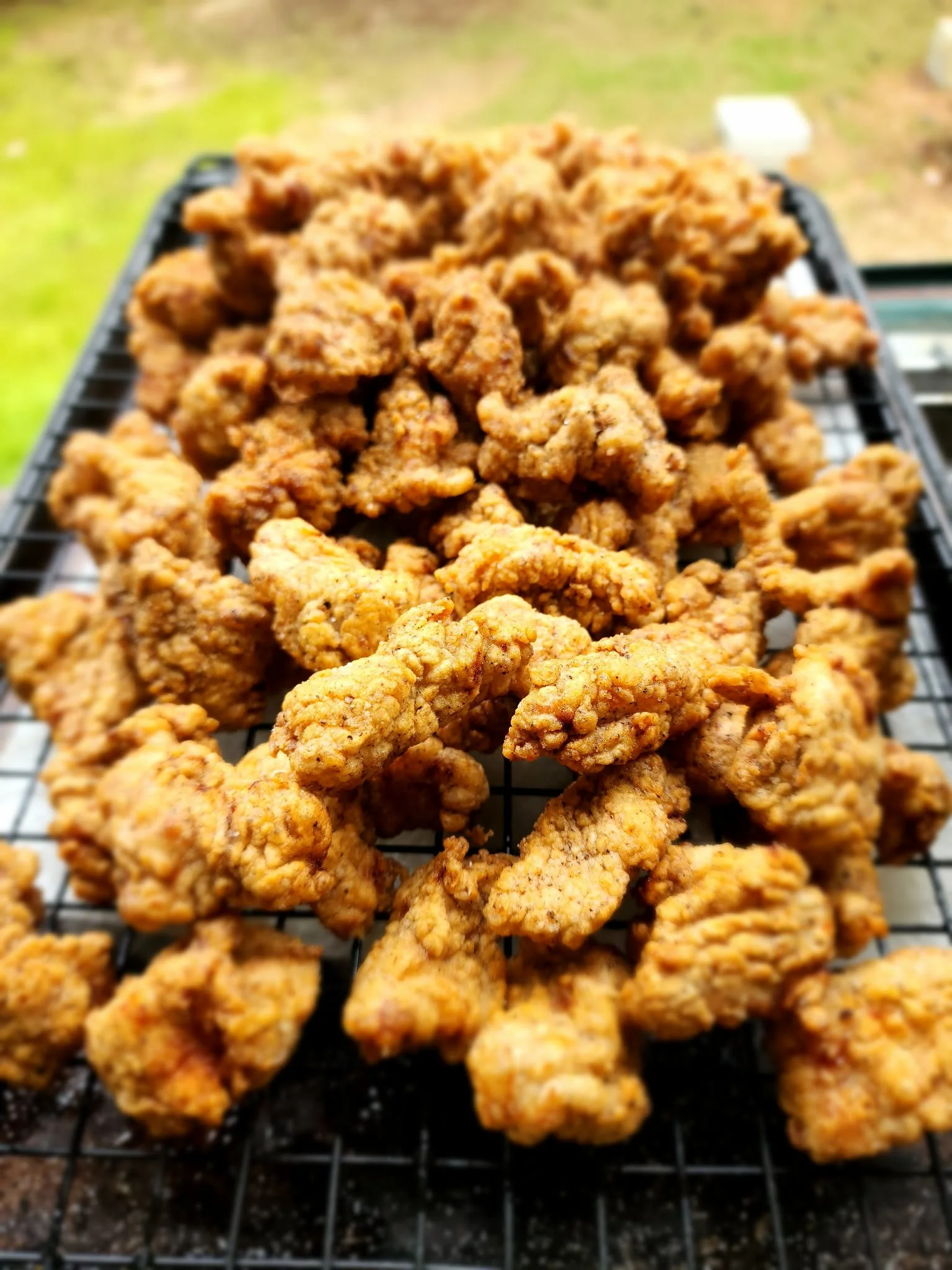
Wild Turkey Nuggets
WHAT ADVICE WOULD YOU GIVE SOMEONE WHO IS WANTING TO START ADDING WILD FOODS INTO THEIR DIET? I KNOW THERE MAY BE SOME OF US WHO ARE AFRAID TO VENTURE INTO DEEP WOODS OR CONSUME SOMETHING POISONOUS.
Joseph Hosey: Start with what you know and make it a point to learn more. Most of us are familiar with blackberries. Pick some this year and use them. Go hunting or catch some fish. Collect pecans next winter. A teacher or mentor is most valuable. A lot of us don’t have the wisdom of our elders as previous generations might have had but we do live in a time where knowledge is literally at our fingertips. There are foraging classes being held all over the country. Use social media to find some near you and go to one. What you’re likely to find is that a lot of the species that are edible or could be used for medicinal purposes, are species that you’re already familiar with. I liken it to our relationship with people. There are many people in my community that I recognize their face and may even know their names but I really don’t know much more about them than that. Plants are similar. There’s probably a few species we could all point out as being a plant or tree that we “recognize their face” and more that we know their name but, like people, there’s a lot more to learn about them than their names. That’s where relationship steps in. For example, most folks are familiar with pine trees. You can heal wounds with the sap and the needles make a delicious and nutritious tea. That’s just one species group that basically everyone knows and only two of many uses. As far as being concerned about going deep into the woods, you don’t have to. Nature is all around us. Start in your yard if you have one, go to a park, a family or friend with an acre or two. Start somewhere and you don’t have to immediately start collecting anything. Show up to learn more and don’t ingest anything unless there’s zero doubt about what it is.
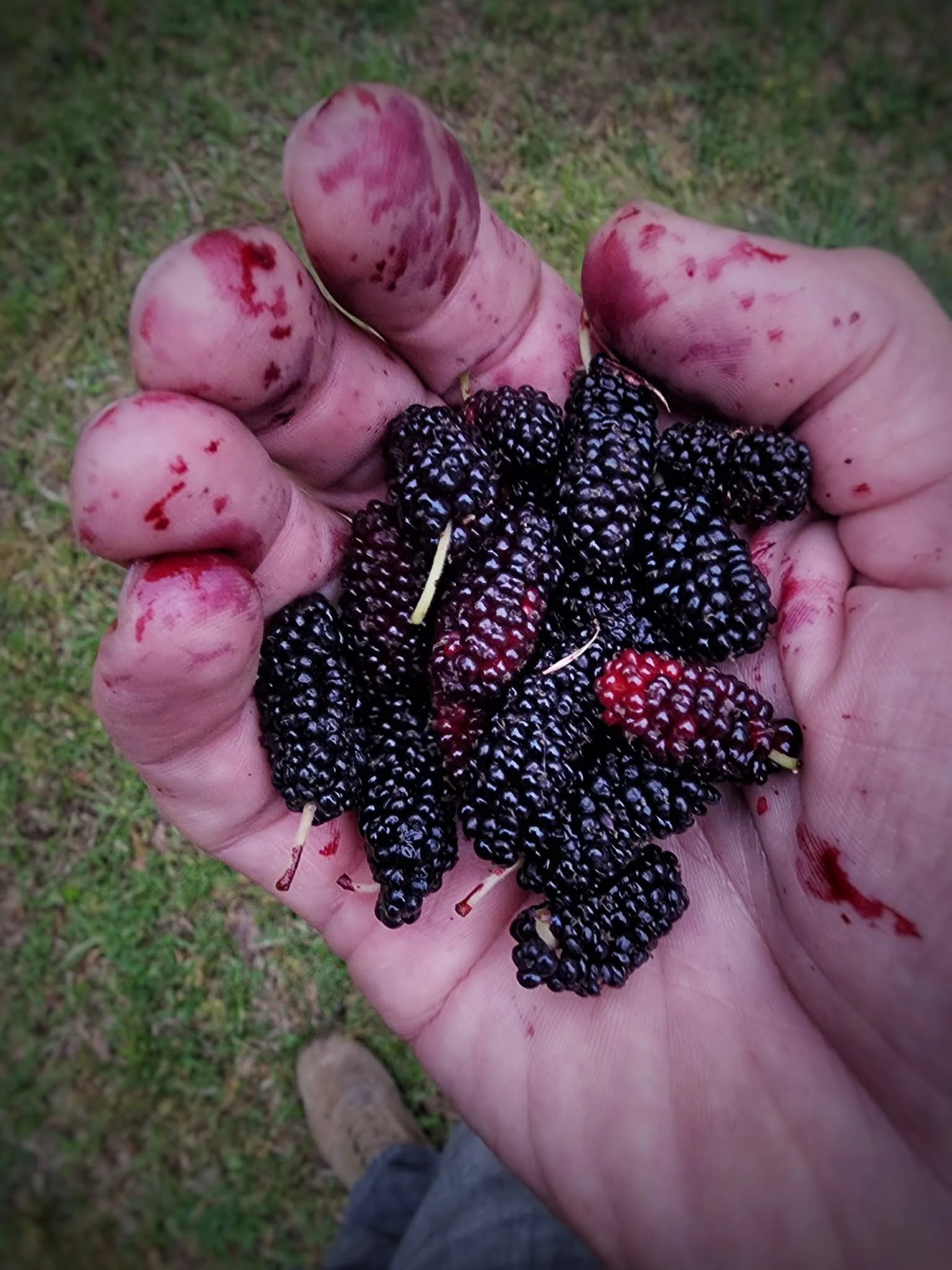
Mulberries

Mayhaw Harvest
WHAT ARE YOUR GO-TO MEDICINAL PLANTS AND HOW DO YOU USE THEM?
Joseph Hosey: I do when there’s something going on I need some help with but I’m not taking anything currently. Although, today, as I’m telling you this, I feel a lymph node under my jaw is slightly swollen. Yesterday, I noticed a plant called cleavers is starting to grow, again. This goes back to that relationship point of view. I know the plant’s name, I can teach you how to identify it, what seasons you can expect to see it and what habitats it prefers. I know that it’s beneficial for the lymphatic system but I’ve not used it myself for that. Today I’ll read more about how it works and find ways online that others have used it. My relationship with that species will grow this week. As for my go-tos, I turn to mullein when I have issues in the lungs or upper respiratory system. Sometimes I use capsules but I prefer a tea with the fresh leaves. I’ve also brought the leaves to a boil, then down to a simmer for a few minutes before removing it from the stove. Then, drape a towel over my head and the pot to breathe in the vapors. Ultimately though, if we eat wild, we not only are eating locally and organic but we’re by default eating seasonally. Eating seasonally prepares us. It helps keep the immune system strong.
WHAT HEALTH BENEFITS HAVE YOU NOTICED SINCE LIVING THIS LIFESTYLE?
Joseph Hosey: I’ve had years where wild foods made up well over 60% of my diet and I’ve had years where life made it difficult to reach anywhere close to that. In a world where we’re so removed from nature, sometimes, modern responsibilities prevent us from doing all that we’d like to but I can say that even the smallest of changes can bring about benefits. It really is more than just food. Gathering wild food is an experience. It’s hard to have a bad day in nature and in today’s world it feels like an adventure to go into wild places for your food. I’ve heard it said that dopamine’s original purpose was to be a reward system for foraging. It used to mean the difference between death and survival so our brains rewarded us when we succeeded. It felt good to know we had found or successfully hunted food. That reward system is still in place. It still feels so rewarding to stumble upon a river bottom covered in golden chanterelles! There is still an overwhelming sense of accomplishment when you call a wild turkey within range and you’re the first human to ever lay hands on him. There is something special about being able to sit at a table with loved ones and replay the events that led to the meal. Nutritional benefits may be your reason to start eating wild foods but you’re going to see that it offers way more than a healthy diet.
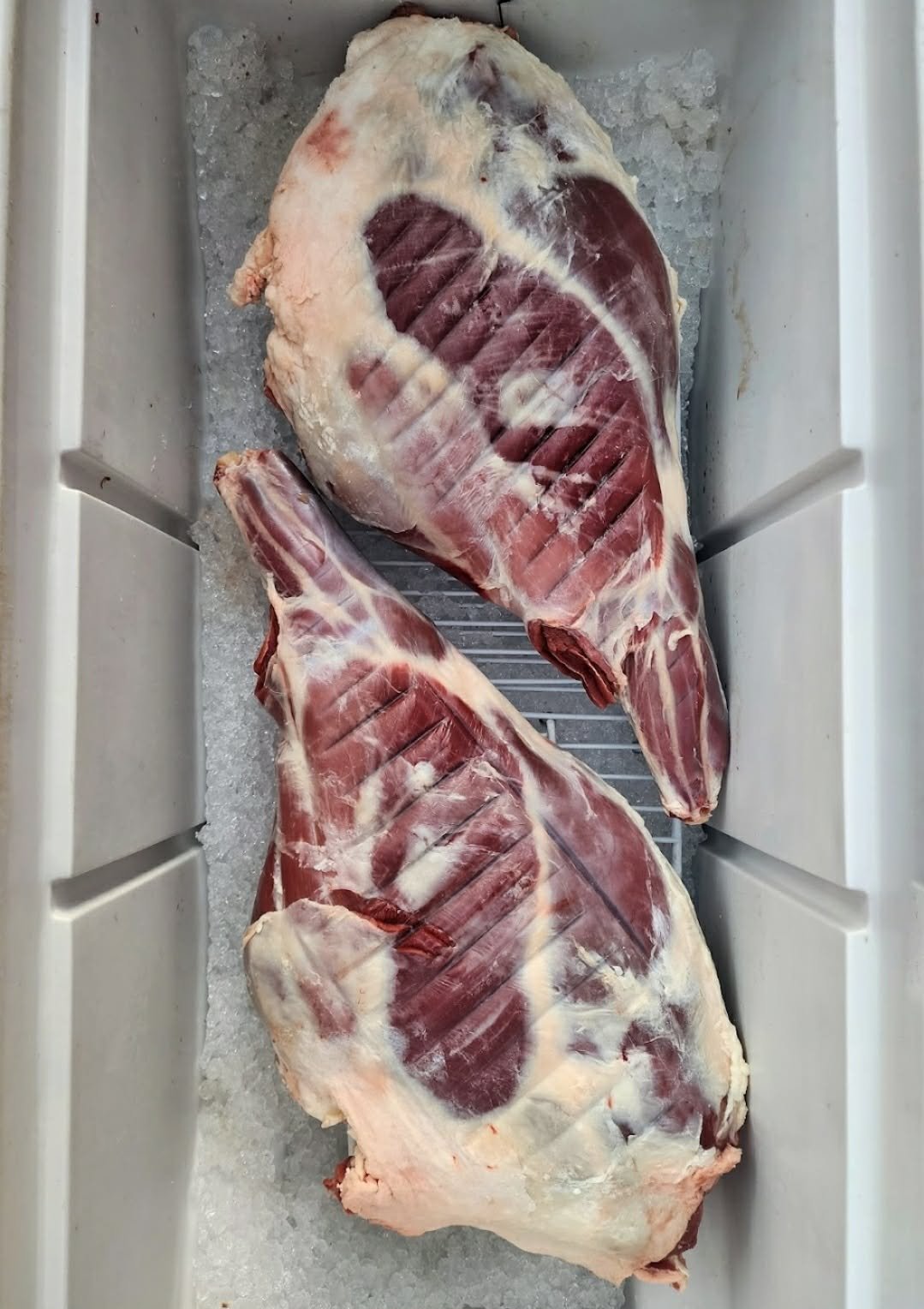
10 Day Aged Venison
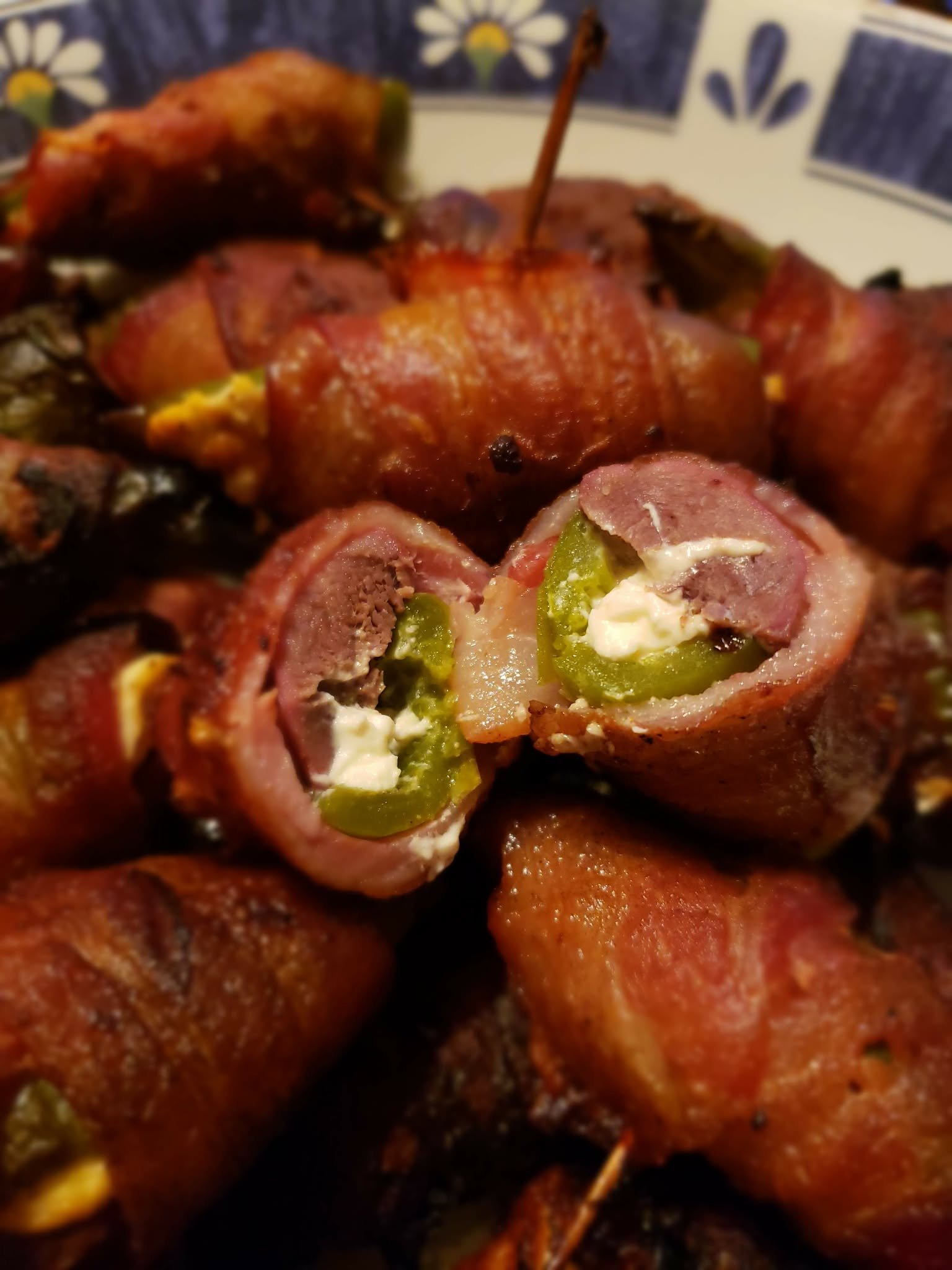
Dove Poppers
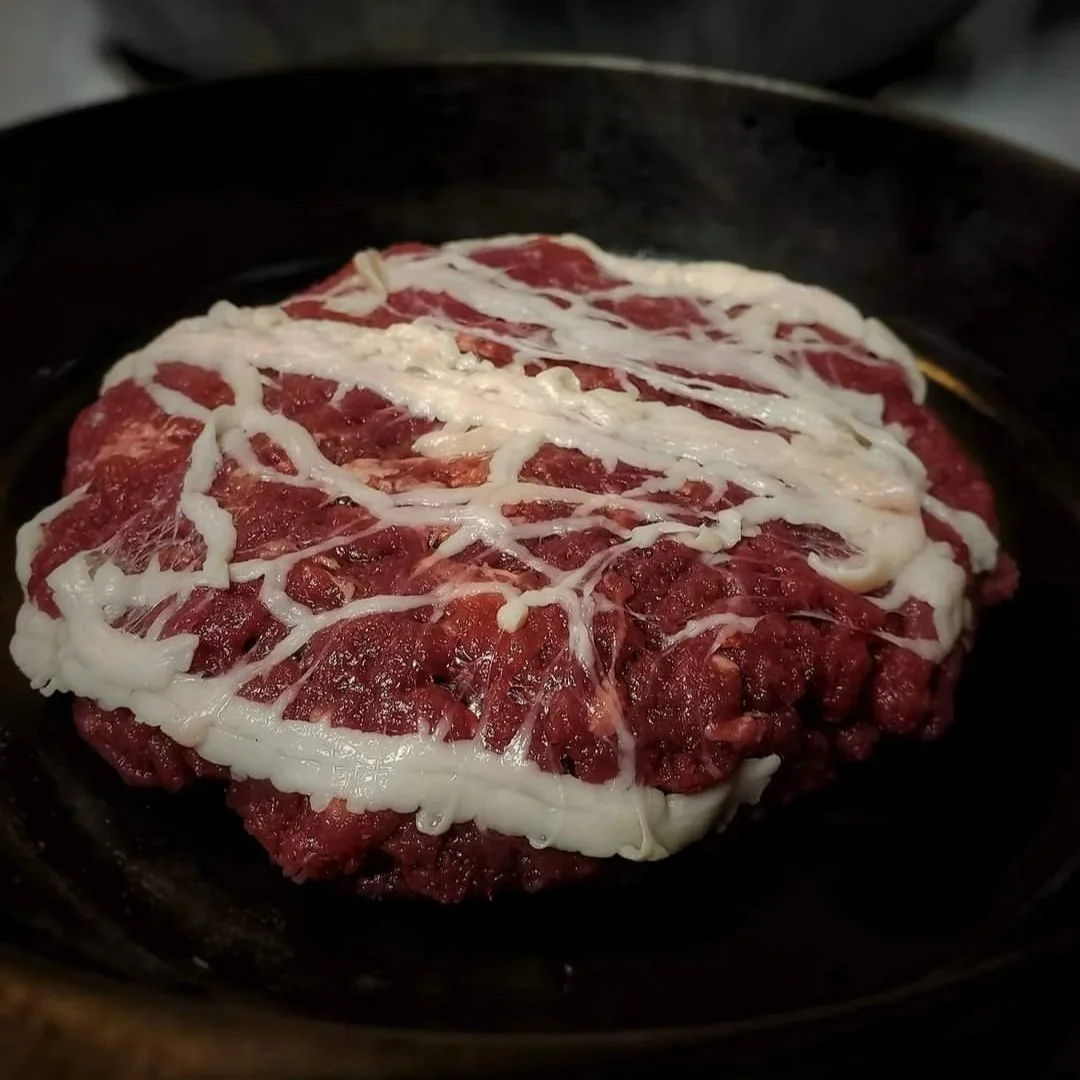
Deer Burger Wrapped in Caul Fat
ALL PHOTOS COURTESY OF JOSEPH HOSEY